

Bleeding gums aren’t “normal,” and they’re often the earliest warning of gum disease we can act on. We’ll walk through five clinical signs: bleeding, redness and swelling, bad breath, gum recession, and shifting teeth, and the steps proven to stop progression. Expect practical guidance on diagnosis, pocket measurements, and treatments like scaling and antimicrobial therapy, plus what to do at home. If you’ve noticed even one sign, the next part could change your oral health plan.
Bleeding Gums During Brushing or Flossing
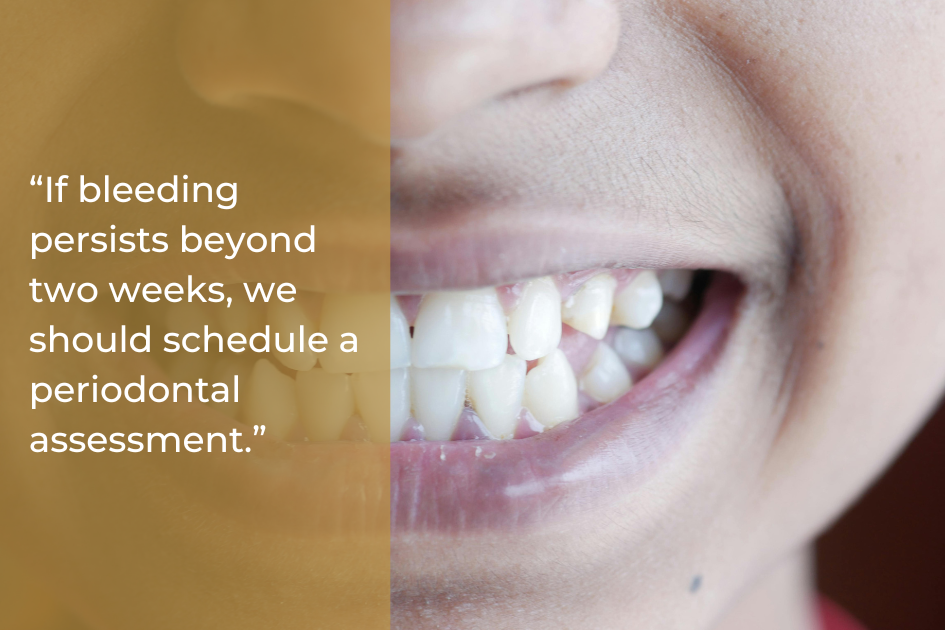
How often do your gums bleed when you brush or floss? Occasional spotting isn’t “normal.” It’s a sentinel sign that gum health may be compromised by plaque-induced inflammation. We evaluate bleeding index, probing depths, and oral hygiene effectiveness to identify risk factors like tobacco use, diabetes, certain medications, and ineffective technique. Let’s debunk treatment myths: early periodontal therapy isn’t inherently painful and isn’t only for severe disease. Evidence shows that scaling and root planing reduces pocket depths and bleeding. Preventive measures include soft-bristle brushing, interdental cleaning, antimicrobial rinses, and professional maintenance. If bleeding persists beyond two weeks, we should schedule a periodontal assessment.
Red, Swollen, or Tender Gum Tissue
Although occasional irritation can follow aggressive brushing, persistently red, swollen, or tender gums typically signal active gingival inflammation driven by plaque biofilm and calculus. We evaluate color change, edema, and bleeding on probing to quantify disease and protect gum health. Inflammation causes include plaque retention, smoking, diabetes, hormonal shifts, and ill-fitting restorations, key risk factors we’ll address.
Our treatment techniques target biofilm: thorough scaling and root planing, possible adjunctive laser therapy, and localized antimicrobials. We pair care with strict oral hygiene coaching, modified Bass brushing, interdental cleaning, and chlorhexidine or essential‑oil rinses when indicated. With adherence, pocket depths reduce, and tissue tone normalizes.
Persistent Bad Breath or Unpleasant Taste
Because oral bacteria metabolize trapped plaque and food debris into volatile sulfur compounds, persistent bad breath or a lingering unpleasant taste often signals periodontal infection rather than simple dietary causes. We assess bad breath causes by examining plaque levels, bleeding, and probing depths. Taste disorders can arise when inflamed pockets harbor anaerobes producing sulfur compounds and short-chain fatty acids. We target the source: scaling and root planing, adjunctive antimicrobials, and laser therapy when indicated. Tight oral hygiene, proper brushing, interdental cleaning, and tongue debridement matter. We’ll also review dietary impacts like frequent fermentable carbohydrates. Early care restores gum health and reduces malodor recurrence.
Gum Recession and Teeth Appearing Longer
When gums recede, teeth look longer because inflamed or damaged tissue pulls back, exposing root surfaces that are more sensitive and decay‑prone. We evaluate gum health, measure recession, and assess plaque biofilm and oral bacteria. A recession often signals periodontitis, aggressive brushing, or clenching. Expect targeted therapy: scaling and root planing to reduce bacterial load, localized antimicrobials, and, when indicated, grafting to cover roots and stabilize tissue. We also coach dental hygiene to lower tooth sensitivity and stop further loss with preventive measures.
– Use a soft brush, gentle technique, and interdental cleaning daily.
– Quit tobacco; manage clenching.
– Schedule periodontal maintenance at prescribed intervals.
Loose Teeth or Changes in Your Bite
A recession that exposes roots can progress to mobility and bite changes as periodontal support weakens. When inflammation destroys ligament and bone, we may notice loose teeth, drifting, or high spots when chewing. These bite changes signal compromised tooth stability and active disease, not normal aging.
We recommend prompt dental evaluations with periodontal charting, mobility grading, and occlusal analysis. Radiographs assess bone loss; probing depths guide care. Evidence supports scaling and root planing to reduce bacterial load and pocket depths, improving gum health and function. When indicated, occlusal adjustment, splinting, or laser-assisted therapy can stabilize teeth and harmonize the bite, protecting long-term tooth stability.
Why Early Intervention Matters
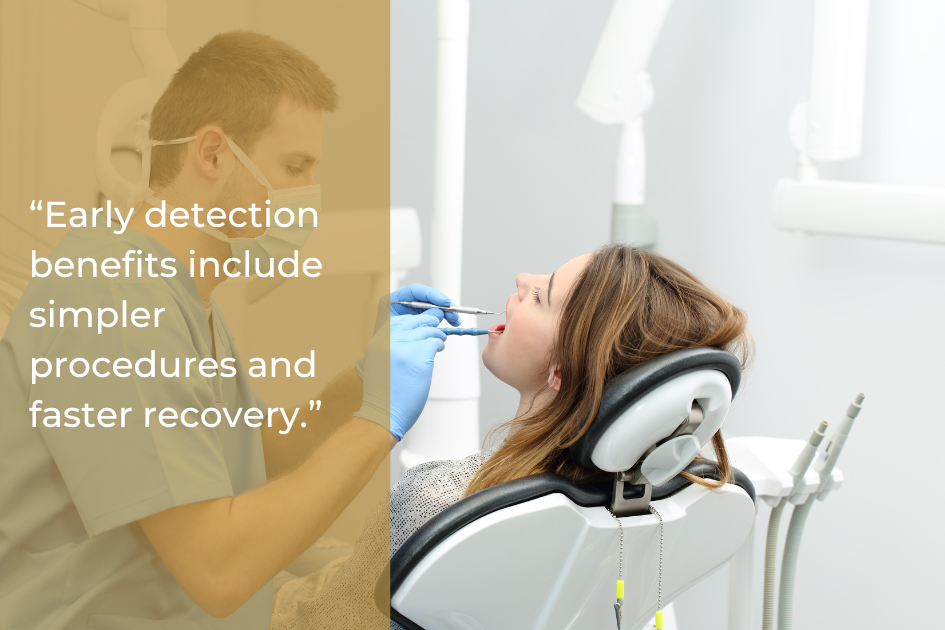
Although gum disease can progress silently, early intervention changes the trajectory of your oral health. When we act early, we limit tissue loss, reduce bacterial load, and protect long-term health with predictable outcomes. Early detection benefits include simpler procedures and faster recovery aligned to defined treatment timelines. We pair patient education with tailored care to improve adherence and results, then sustain gains through periodontal maintenance at set intervals.
– Shorten inflammation duration with timely scaling and root planing
– Stabilize gums and reduce future costs through structured maintenance
– Improve home-care precision with targeted coaching and measurable goals
Professional Diagnosis: Pocket Depths and Assessment
Because accurate diagnosis drives effective therapy, we measure periodontal pocket depths and assess tissue health with calibrated probes, full-mouth charting, and radiographic analysis. During your dental evaluation, we record six pocket measurements per tooth, note bleeding, recession, mobility, and furcations, then plot findings on periodontal charts. These diagnostic tools let us distinguish gingivitis from periodontitis and quantify disease severity. Pocket depths of 4mm or greater signal active breakdown and heightened risk. We correlate gum assessment data with bone levels on X-rays to confirm attachment loss. With this evidence, we establish your baseline, identify sites needing attention, and schedule precise re-evaluations.
Treatment Options: Scaling, Root Planing, and Laser Therapy
Once we’ve confirmed active periodontal disease, we target the infection with scaling, root planing, and adjunctive laser therapy tailored to your pocket depths and tissue response. Our scaling techniques remove calculus above and below the gumline; root planing smooths roots to deter biofilm reattachment. We apply laser therapy to decontaminate pockets and aid clot stabilization. Evidence shows 1.5–2.0 mm pocket reduction is achievable.
– Treatment timeline: typically 2–4 visits, each 45–90 minutes per quadrant.
– Laser effectiveness: enhances bacterial reduction and reduces bleeding.
– Patient recovery: expect mild tenderness; most resume normal activity within 24 hours.
At-Home Care to Support Healing
With pockets decontaminated and roots smoothed, we shift focus to controlling biofilm at home to maintain gains in pocket depth and reduce inflammation. Our home care tips are precise: brush twice daily with a soft brush and fluoride paste; clean interdental spaces using floss or interdental brushes sized to contacts; add a low-abrasive, alcohol-free antimicrobial rinse as directed. Optimize oral hygiene by timing cleaning before bed. Support healing with nutrition impact: prioritize protein, vitamin C, D, and omega-3s; limit added sugars. Incorporate stress management to reduce inflammatory load. Avoid tobacco. Finally, schedule routine checkups to monitor sites and recalibrate techniques.
Conclusion
Let’s act early. Gum disease affects nearly 47% of U.S. adults over 30, and advanced periodontitis is linked to higher risks of diabetes complications and cardiovascular disease. If we notice bleeding, swelling, bad breath, recession, or looseness, we should get a periodontal evaluation, including pocket depths. Evidence-based care, scaling and root planing, possible antimicrobials or laser therapy, combined with meticulous home care, can halt progression and protect teeth. Schedule promptly, verify insurance, and follow post-treatment instructions to optimize healing.
Ready to take the next step? Schedule your periodontal evaluation with Northwest Dental Center in San Antonio today. Our team is here to help you restore gum health, protect your smile, and maintain lasting oral stability.